Arnesh Mandal
I design things and build them. When a build needs a skill I don't have, I learn it.
Dinner at home was a debate.
Politics, science, philosophy: at our table, an idea had to survive pushback, and mine often didn't. My father, a paediatrician for 38 years, set the standard. Work as hard as the best result takes, and tell the truth. Losing those arguments taught me to check my thinking. Now I mostly argue with myself: I keep a log of my process mistakes, count how often each one comes back, and reread it.
IDC gave the habit a subject.
At IDC School of Design, IIT Bombay, I went deep into design, and the questioning from home had real work to do. My design problems kept spilling into other fields. I left with a method more than a medium: find a problem worth solving, then solve it as well as I can, whatever skill it takes.
I'd been working that way long before I had words for it, starting in a kitchen in Kolkata.
My brother and I A/B tested ramen.
As kids, we were fascinated by Japanese food, and in Kolkata we couldn't get the ingredients. Dashi needs kombu and katsuobushi, and katsuobushi was nearly impossible to find. So we bought six kinds of dried fish and shrimp, made a dashi with each, and tasted them side by side. Then we did the same for every other part of the bowl, until we had a recipe.
I still work that way. If I don't know how, I learn it while making it: code, wiring, polishing furniture. I've soldered electronics, 3D printed, done woodworking, built websites, apps and AI tools. To build my server I learned Linux and how to compile software, planning it across seven documents and typing every command myself. Even my coffee is a build: a Flair 58, a manual lever machine I chose because it's harder, where I grind, shape the pressure curve by hand, and try another recipe. Over time the tools from all of it added up to a workshop, so the next build is one evening away. Every tool in it is there because something needed it.
The workshop
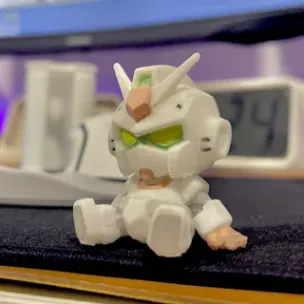
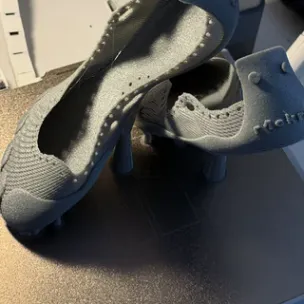
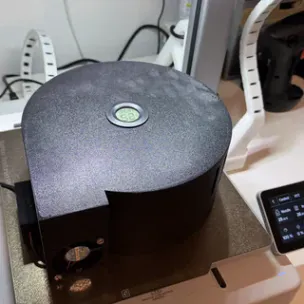
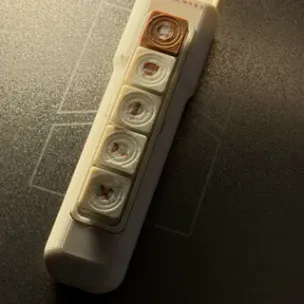
Printer
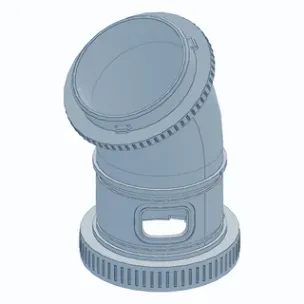
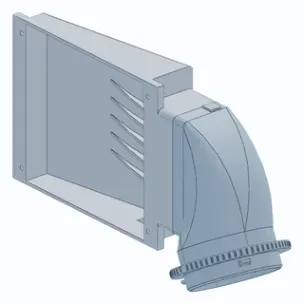
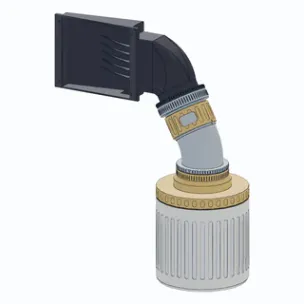
A 3D printer with a 10 W laser. Made Gundam figure · Barefoot shoes · Filament dryer · Printer upgrades · Macrowand · H2D filterBench
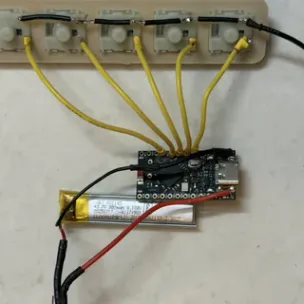
A soldering iron. Made Printer upgrades · MacrowandLaptop
Code, and 3D models written as code. Made Macrowand · H2D filter · Fantasy Calradia · Shishu · Pencil Down · nayaabAI
Claude Code, and the notes it works from. Made Macrowand · H2D filter · Fantasy Calradia · Shishu · Pencil Down · nayaab · Private apps · two-sousServer
A home server I built from parts. Made Shishu · Pencil Down · nayaab · Private apps · two-sousKitchen
A stove and a lever espresso machine. Made two-sous · Ramen · Coffee

That's a lot of threads.
I have ADHD. I hyperfocus on what grabs me, and a lot grabs me, so I'm usually deep in several of those builds at once. I built a system around documentation, for AI, so it's easy for me to pick things back up. AI holds the structure, so I can go deep on several things at once without losing the thread.
But the builds I care about most didn't start with what grabbed me. They started with a person.
Nobody knows a problem like someone close to it.
Software is cheap enough now to make for one person. A product for millions has to design for the average user, and from a distance, a person becomes a datasheet. Someone close knows their strengths and their flaws, and both shape the design. So I make things for the people around me, and that means learning their world. I like talking to people who love a field I've never touched: for these builds, medical advertising law, exam answer keys and handloom. I come away knowing a field I'd never have touched; they come away with something that works for them.
My way of helping is making the fix.
When someone close is having a hard time, I watch and listen until I understand two things: what they're feeling, and what's causing it. I feel for them. But if I let the feeling take over, it crowds out the thinking that would actually help. So I go after the cause, and sometimes that looks as if I skipped past the feeling. I didn't. Everyone has their way of helping. Mine is making the thing that fixes it.
Here's what that looked like for three people.
Up close
My father
- The usual build
- A clinic template in English, with a Book now button.
- What I built
- One file of facts that feeds his site, Google and five doctor listings, in English and Bengali.
- What I cut
“The best paediatrician”Medical advertising rules forbid superlatives.
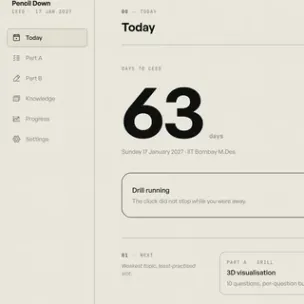
Someone preparing for CEED, a design entrance exam
- The usual build
- A bank of practice questions, with a streak that resets.
- What I built
- Practice at deciding under time pressure: Hard mode hides the clock, there's no pause, and a 7-day tracker counts only finished work.
- What I cut
An AI critic of the drawingsCEED rewards ideas. Grading how clean the lines are would pull practice toward polish.
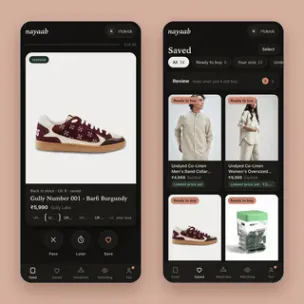
Someone close, as a birthday gift
- The usual build
- Picks from the big marketplaces, and an alert for every new item.
- What I built
- It watches a handful of one-person studios, and alerts only for a restock in the right size or a price drop.
- What I cut
An endless feedThirty finds a day. Refreshing never adds more.
The hard part is knowing what to leave out.
The usual builds and struck lines above would all have been easy to make. Now that almost anyone can make almost anything, what sets work apart is taste: deciding what's worth building, what to leave out, and when to stop. Some of those calls are about harm: a streak that resets or a feed that never ends would have quietly made someone's day worse. I didn't start with that judgment. I built it the way I learned everything else here: making, arguing with myself, and making again.
That judgment is what I bring to work.
Now
I joined Bajaj Finserv in 2020 as one of three new designers no one listened to. We tied design to data, and I put a design process in front of leadership at a 65,000-person company. As Design Engineer, I build AI into how the design team works. DCX Atlas, a tool I proposed and built, turns a 55,000-character research study into 30 insights in about two minutes. In the evenings I make whatever I need next.
The work I want is new: zero to one, R&D, or a system overdue for a rebuild. If I see something in it, I'll get it done, whatever it takes.